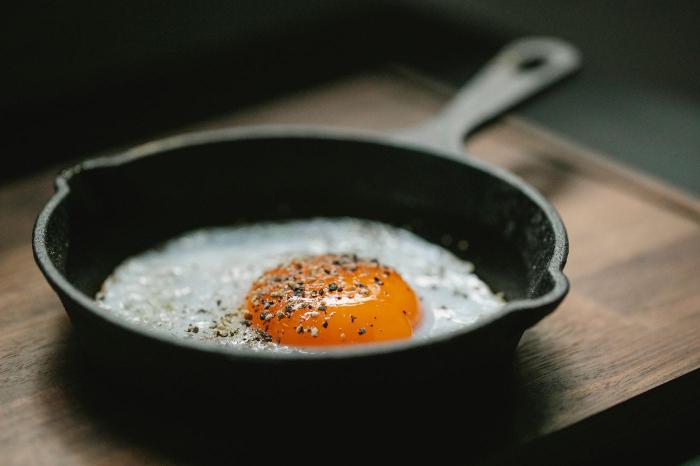
How many grams in a glass and a spoon: measuring without scales
The recipe says 200 g of flour, but you have no scales, or today of all days the battery is flat. No matter: with a glass and a spoon you can measure almost anything, as long as you know what each food weighs. A glass of flour and a glass of sugar are not the same thing.
What we measure with
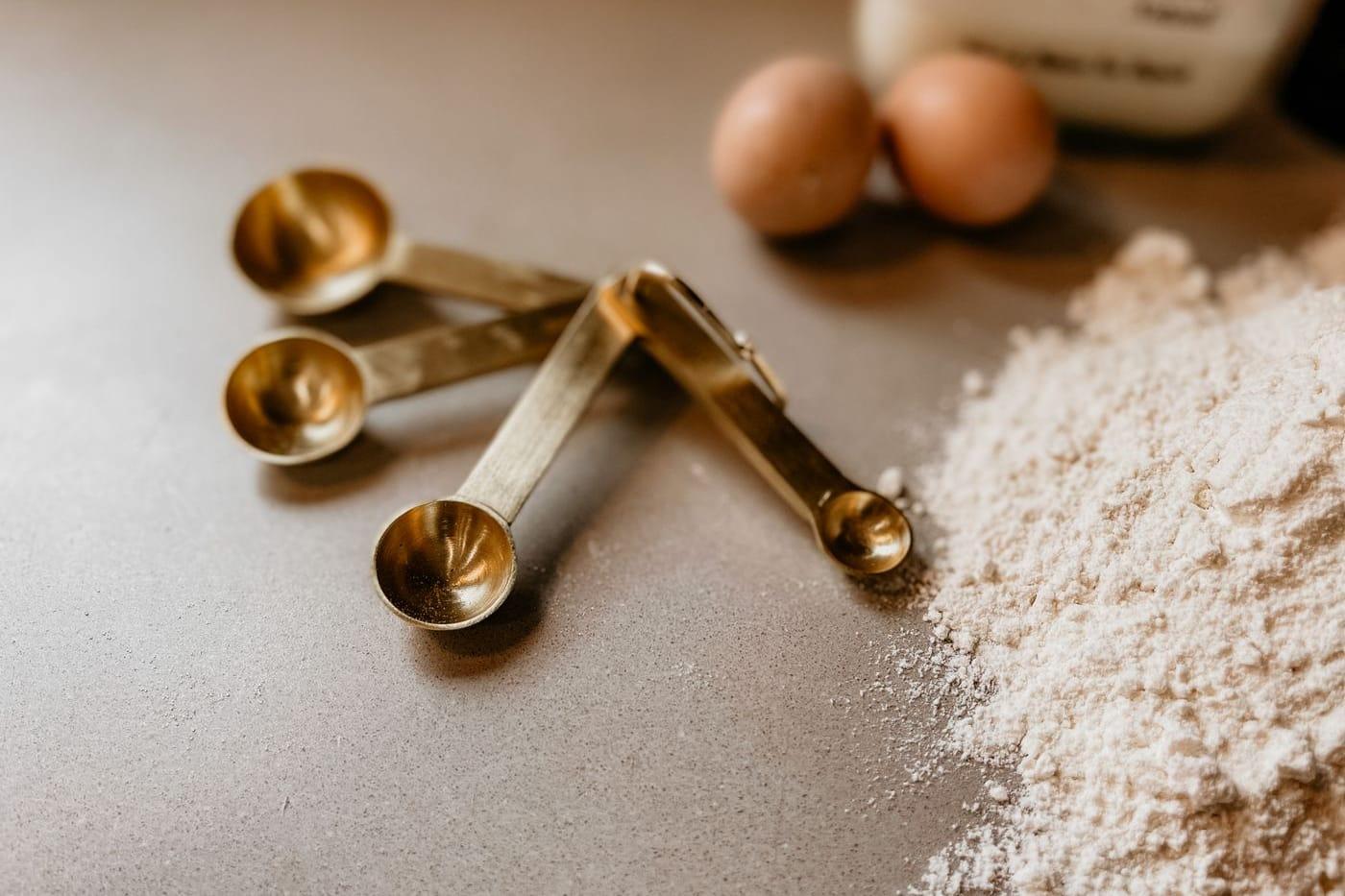
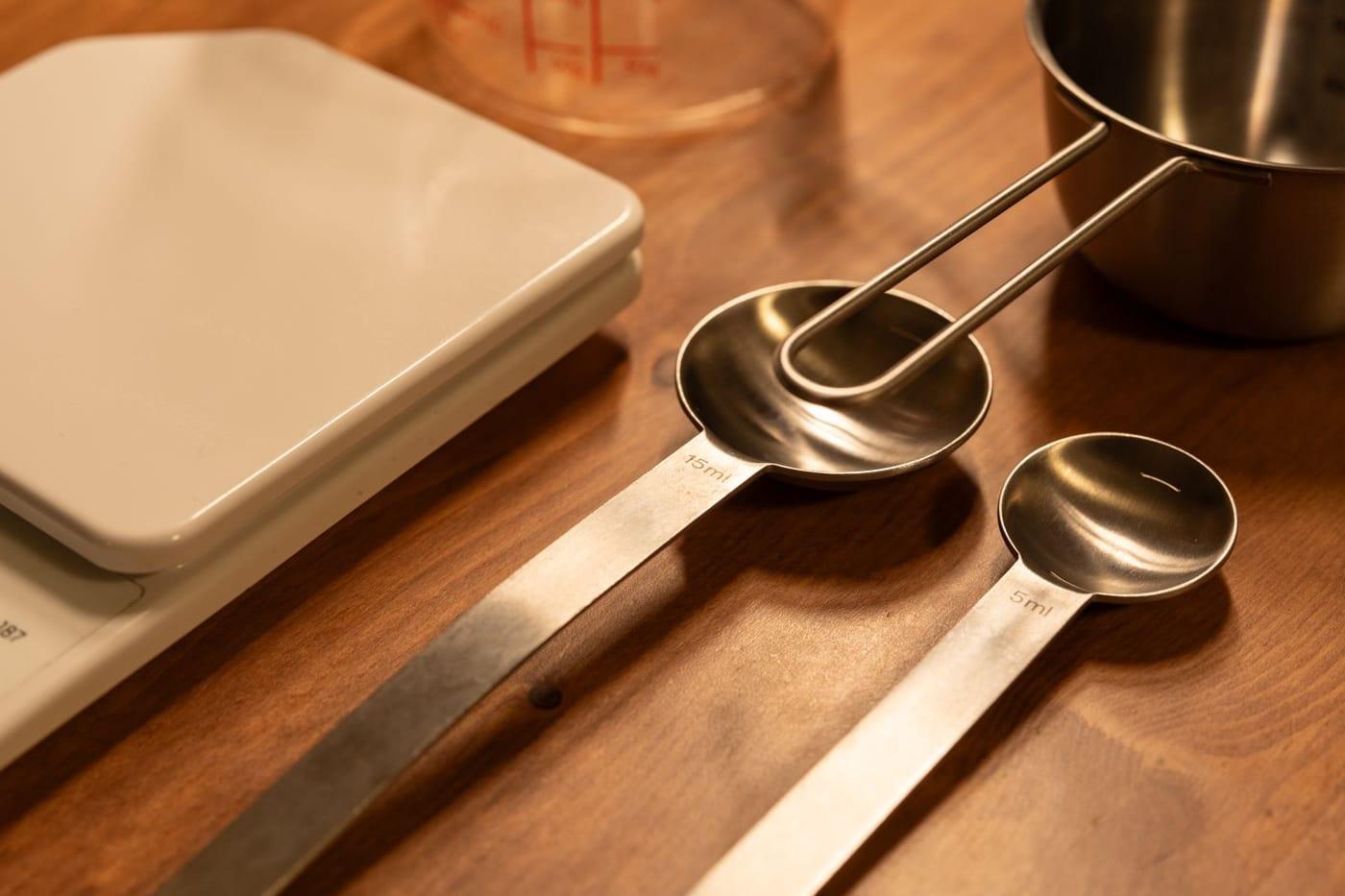
In this chart and in our recipes a glass means 250 ml, a tablespoon 15 ml and a teaspoon 5 ml. Spoons are always level, not heaped, unless the recipe says otherwise.
Before you start, check your own glasses. Mugs and glasses at home range from 200 to 350 ml. Fill your glass with water from a measuring jug or a litre and a half bottle: six full 250 ml glasses empty the bottle.
Chart: grams in a glass and a spoon
The numbers are rounded and fine for home cooking. The weight of flour and icing sugar depends most on how tightly the food is packed.
| Food | Glass (250 ml) | Tablespoon | Teaspoon |
|---|---|---|---|
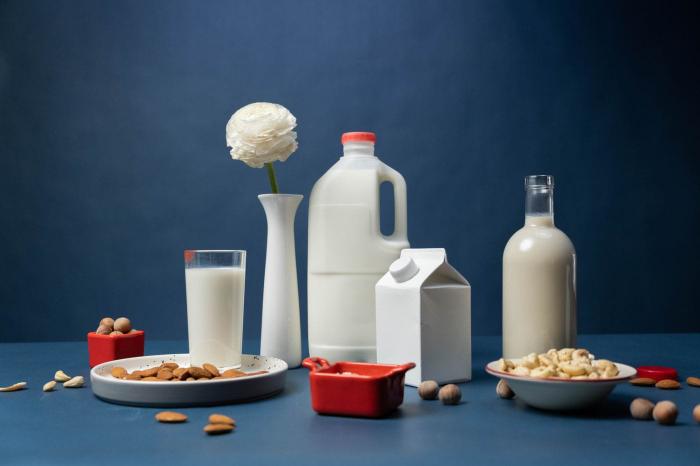
| Water, milk | 250 g | 15 g | 5 g |
| Wheat flour | 150 g | 9 g | 3 g |
| Sugar | 200 g | 13 g | 4 g |
| Icing sugar | 120 g | 8 g | 3 g |
| Fine salt | 300 g | 18 g | 6 g |
| Oil | 230 g | 14 g | 5 g |
| Melted butter | 240 g | 14 g | 5 g |
| Honey | 350 g | 21 g | 7 g |
| Rice | 200 g | 13 g | 4 g |
| Rolled oats | 90 g | 6 g | 2 g |
| Semolina | 180 g | 11 g | 4 g |
| Cocoa powder | 100 g | 6 g | 2 g |
How to measure dry foods
- Fluff up flour with a spoon before measuring, spoon it into the glass and level it with the back of a knife. If you dip the glass into the bag and pack it down, it will hold a quarter more flour and the dough will turn out stiff.
- Fill sugar and salt to the brim and level off. Brown sugar, on the contrary, is pressed lightly into the glass.
- A level spoon means the heap has been swept off with a knife. A heaped spoon holds almost twice as much.
- A pinch is what you can pick up with three fingers, about a quarter of a teaspoon.
How to measure liquids and sticky foods
- Measure liquid with the glass on a flat surface and look at it from the side at eye level, not from above.
- Before measuring honey or syrup, rub the spoon with a drop of oil: the honey will slide off without leaving any behind.
- Butter is easy to measure by the pack: half a 200 g pack is 100 g, a quarter is 50 g. One tablespoon of soft butter weighs about 14 g.
- A medium egg without its shell weighs about 50 g: 30 g of white and 20 g of yolk.
When you cannot do without scales
In soups, stews and salads a couple of grams change nothing, and a glass and a spoon are perfectly adequate. Baking is different: sponge cake, meringue, macarons and bread dough are chemistry, where the ratio of flour, sugar and liquid has to be exact.
If you bake often, digital kitchen scales for 10 to 15 euros are the best purchase you can make. In our recipes you can also tap any amount and type in how much of an ingredient you have: the rest is recalculated for you.